How Tourism Helps Gorilla Conservation in Rwanda: Rwanda being a destination reformed by what is famously known as the ‘land of a thousand hills,’ hosts the magnificent mountain gorillas. These gentle creatures have since assumed the image of wildlife tourism and conservation in the country. Currently, only three countries offer a home to the mountain gorillas and Rwanda is heavily investing in the sustainability of this species which is one of the reasons that tourism is such an important industry in the country. As the title has suggested, this article deals with an understanding of the role played by tourism in conserving Gorillas in Rwanda, its effect on the community, and the significance of eco-tourism.

The Role of Mountain Gorillas
Mountain gorillas are one of the four species of the genus ‘Gorilla’ and are critically endangered named from the eastern gorilla and are resident in the Virunga region covering; Rwanda, Uganda and the Democratic Republic of Congo. Nonetheless, these gorillas are simply on the brink of going extinct, with the latest data estimating that on any given day, there are only about a thousand sixty-three gorillas in the wild. Their major threats include; habitat degradation and destruction, hunting, and diseases.
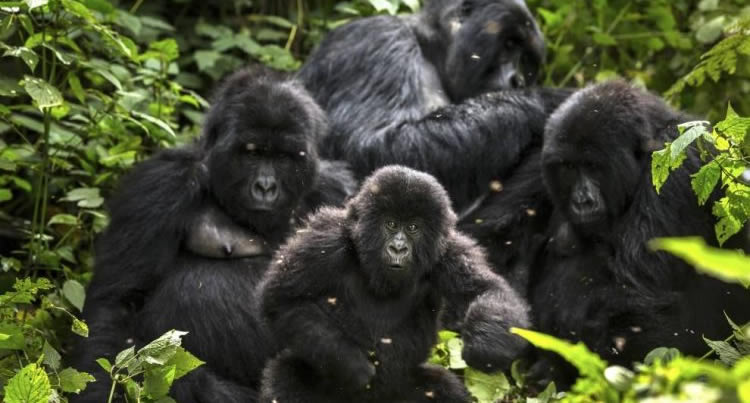
Rwanda hosts about fifty percent of the endangered mountain gorillas especially the Virunga range in the Volcanoes National Park. This park offers a suitable environment to(host) these animals, and the Rwandan government, through several efforts, has endeavored to conserve these creatures.
Tourism to Conservation
Trekking is now one of the most prominent tourist attractions in Rwanda every year many people flock to the country to take a gorilla trek. The Rwandan government has put in place structures that now make sustainable tourism policies that link conservation to people’s welfare. Here’s how tourism contributes to gorilla conservation:
- Revenue Generation
A major aspect of gorilla conservation revenues comes from the permit fees that visitors pay to trek these gentle giants. The permits currently cost $1,500 and the money is used to embark on environmental projects such as anti-poaching, habitat, and community development. This income has greatly enhanced the amounts available for the conservation of gorillas, and their habitats.
- Community Involvement
Nowhere is it truer than in gorilla tourism, that conservation is best accomplished through active participation of the locals on the ground. Most of the community members are employed in low-ranking jobs such as guides, porters, and the like in the tourism sub-sector. Through employment, tourism also assists in raising the standards of living of cold residents and inditing in them stewardship responsibility of gorillas.
- Education and Awareness
Tourism generates publicity for gorilla conservation. People who go to see these amazing creatures get to have an opportunity to feel their fragility and sensitivity. This emotional investment leads such tourists to part with their resources and spread awareness about the dangers that mountain gorillas face. The educational programs and community outreach activities enhance this effect by increasing the awareness of people in the area about the importance of the conservation of nature.
- Research and Monitoring
Tourism also funds continued research and surveys on the gorillas. Tourists contribute their data to researchers so that they can monitor the movements, health, and behaviors of these gorillas. The acquisition of such information is critical in the formulation of integrated conservation and management programs for these endangered species.
Adopted Sustainable Measures in Gorilla Tourism:
To ensure that gorilla tourism remains sustainable, Rwanda has implemented several best practices:
– Limited Trekking Permits: The government limits the number of visitors allowed to conduct gorilla trekking per day to pull out the physical effect that is likely to be caused by many people on these apes and their densities. This controlled method also has the advantage of decreasing pressure on the gorillas and the overall improved control of visitors to the site.
– Guided Tours: All gorilla treks are conducted by guides who understand the principles of conservation and know about gorilla treks. They help the tourist learn how to avoid offending the gorillas and to ensure that a tourist follows the guidelines put in place by the different conservative bodies.
– Strict Rules: The treks’ regulations include stays that are distant from the gorillas and spending a limited amount of time in their range. Such regs are intended to reduce human intrusions to wildlife and at the same time have been formed so as to guard the lives of the animals.
Implications of Gorilla Conservation on People of The Communities
Animal conservation in general, and gorilla conservation in particular are not only beneficial to gorillas and other animals but also highly influential to communities. Here are some ways in which conservation initiatives have positively influenced the lives of Rwandans:
– Infrastructure Development: Tourism development breeds the development of other facilities such as roads, hospitals, and schools due to the tourist traffic. All these improvements are mutual – guests and locals will enjoy a richer experience and are bound to create a more profitable society.
– Cultural Preservation: The tourism sector of the Gorilla has contributed to the conservation of culture and acts of the community. Current development sees communities exhibiting their culture through dance, the sale of Arts and crafts and storytelling adding flavor to the cultural tourism sector.
– Environmental Awareness: According to the local people when they get involved in conservation, this helps them understand the value of conservation. Such awareness enhances a culture of sustainable development that besides gorilla conservation addresses issues to do with land use and management.
Advantages and Disadvantages
However, there are still some limitations or threats to the effectiveness of gorilla conservation in Rwanda. Natural factors such as agriculture, climate change, and human interference that act as conflict with the mountain gorillas are other issues that lead to persistent habitat loss. To address these challenges, ongoing efforts are essential:
– Community Engagement: There is a need to have the communities remain more involved in the subsequent conservation initiatives. This way, the locals benefit from gorilla tourism and would be willing to protect the gorillas’ habitants since they benefit from it.
– Strengthening Regulations: Conservation of gorillas requires consistent policing of the conservation laws and other anti-poaching laws from being violated.
– Research and Collaboration: It is important for governments, NGOs, and research-based institutions to work together in order to come up with good conservation measures. It has been noted that this process will foster the development of innovative tools for saving mountain gorillas.
How Tourism Helps Gorilla Conservation in Rwanda: Conclusion
Wildlife tourism in Rwanda is one of the best examples of how tourism can support wildlife conservation. Linking tourism interests and community requirements, Rwanda has developed a mutually beneficial strategy in regard to both gorillas and humans under one roof. As more and more tourists come to Uganda to see the beauty of mountain gorillas many responsible tourism practices have to be encouraged. The resulting collaborative commitments hence must be sustained to ensure Rwanda and other similar nations remain paraders of how Tourism can lead to the conservation and protection of species and environments that are endangered.